What hurricane Lowell taught me about being prepared
October 5, 2026 28 min read
Hurricane Lowell reached Kauaʻi as a Category 2 on the night of September 7, 2026. It barely registered in the national news, but the damage is estimated at between half a billion and a billion dollars and at least three people died. This is a first-person account of how our household got through the couple of weeks that followed, written in the hope that it is useful to you.
There is preparedness as you imagine it, and preparedness after you have actually needed it.
Before Lowell, I believed we were reasonably well prepared. We live on Kauaʻi, where hurricanes, floods, tsunamis, earthquakes and wildfires are not abstract risks. We had stored water, food, generators, fuel, batteries, lights, radios and first-aid supplies, and we knew that losing power here usually means losing water too, because most of the island’s water is pumped.
Then came the night of September 7.
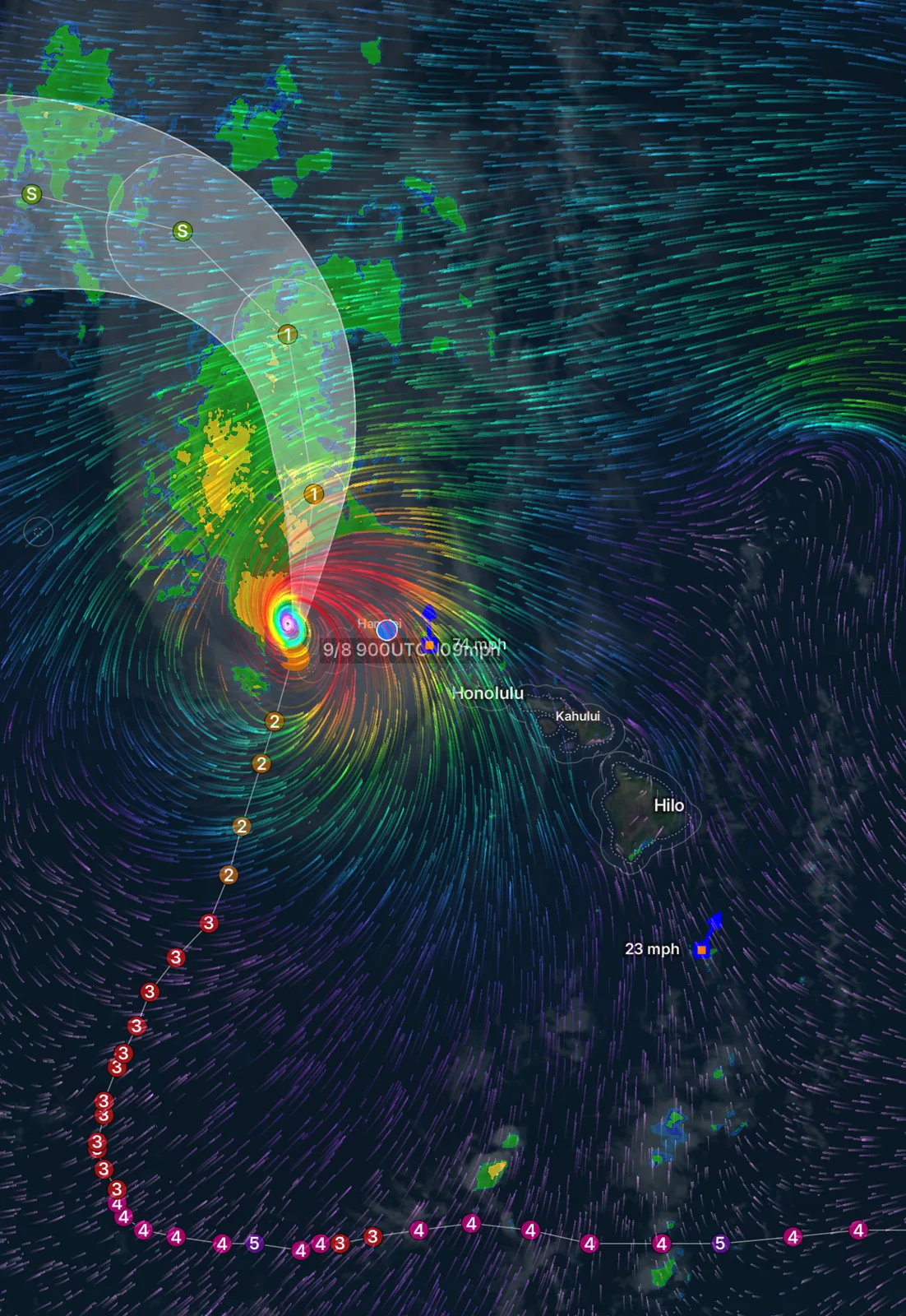
Lowell reached Category 5 on its long run west, well south of the islands, then turned north and weakened as it approached and crept back east. By the time it reached Kauaʻi it was a Category 2, which still meant sustained hurricane-force winds and gusts in the low 90s mph. It was the worst wind I have heard. I did not sleep much. The gusts came in waves you could hear building before they hit the house, and in between, the phones kept going off with emergency alerts. Next time, once we are sheltered, the phones get silenced. By then the alert has done its job.
In the morning, the house had made it. We had no shutters or hurricane fabric on the windows, and I know that holding together was luck as much as good construction. We lost shingles, which was minor next to what others had to deal with. The rest of the property was another story. A five-year-old lychee snapped at its base and flew dozens of feet. Song of India trees that had grown into 25-foot features fell like dominoes, taking out the fence and littering the adjacent properties. Two other large trees were badly damaged. A giant monkeypod held, mostly because we had pruned it back hard recently. One of our beloved avocado trees got uprooted and rested on the ground.
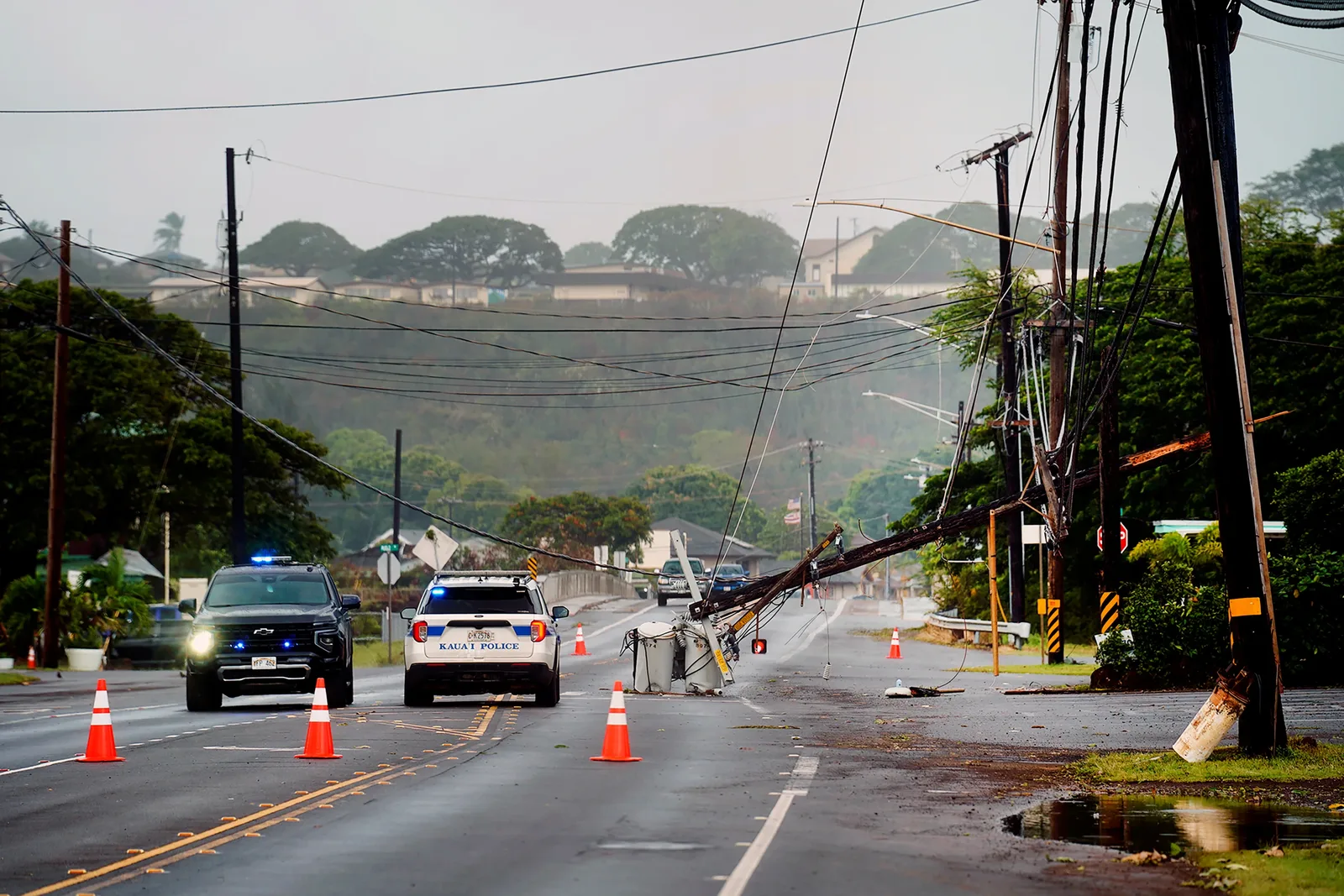
The storm itself was only the beginning. Nearly the whole island lost power, and county water, much of which depends on pumps, began to fail soon after. Communications became unreliable. Roads were blocked by downed trees and utility poles. Stores and government services operated unevenly. For us, it added up to roughly twelve days without power, water or internet, on top of the cleanup.
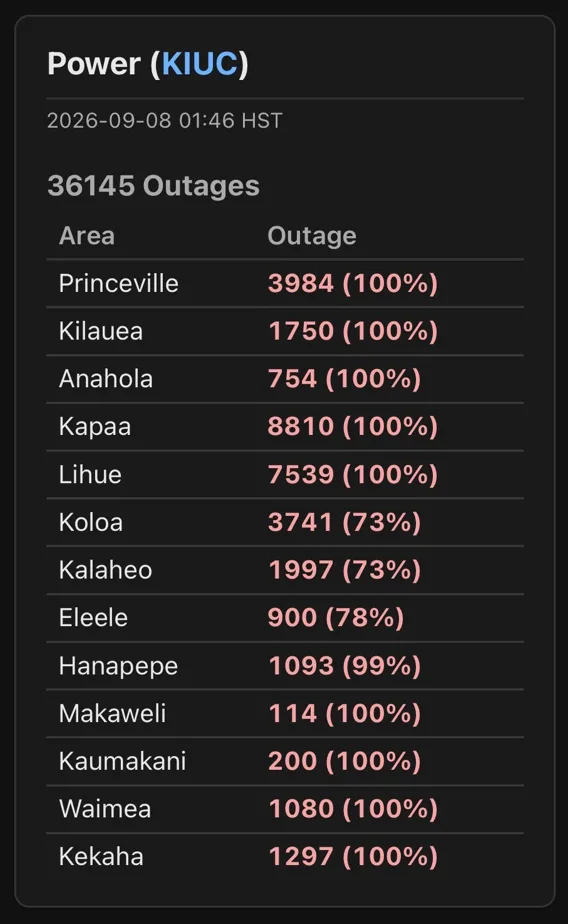
The island after landfall
KIUC, the island utility co-op, reported 91% of its customers without power the morning after landfall, and about 82% restored within five days, with the last outages concentrated on the North Shore well into the following week due to badly damaged transmission lines in the middle of the island. The damage count kept climbing as assessments came in: the county reported 18 homes destroyed, at least 100 with major damage, and more than 700 others damaged.
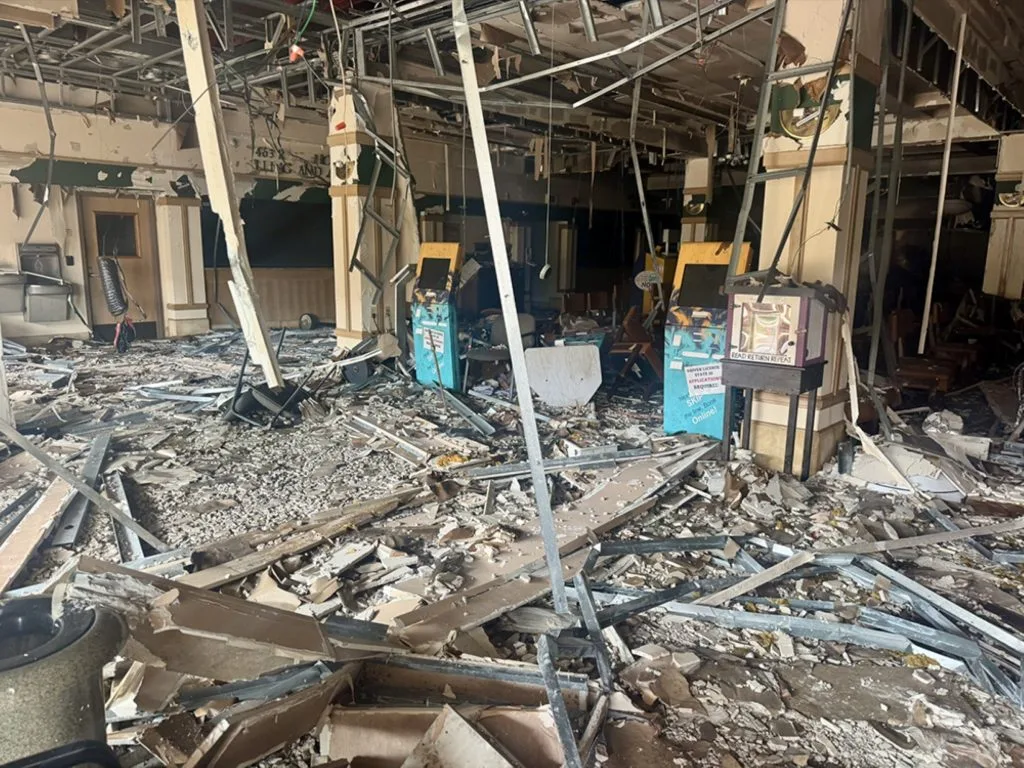
The disruption also reached places I had never thought to plan for. On the night of September 9, a fire gutted a building at the Līhuʻe Civic Center, which housed the county’s IT systems along with DMV, real property tax, planning and finance. Paperwork was destroyed and property owners were asked to resubmit applications. The people who process those records live on the island too, and many of them were dealing with the same outage at home, which is another reason everything slows down. Keeping your own copies of important records, including documents you would normally get from the government, is a good idea. Licenses, registrations and other renewals can stall for weeks when county systems go down.
The rest of the island came back unevenly. The airport reopened within a day on a single generator, with TSA scanners rebooting and lines reported at up to seven hours, mostly visitors who had decided to ride out the hurricane. Gas stations were on generators within a day or two, so fuel lines were long but moving. Green waste quickly became the biggest problem. This is the Garden Island for a reason, and the volume of downed vegetation buried the regular county sites immediately. The county opened temporary sites nearby, which was a real help even though they often closed on short notice when rain turned them to mud. Nearly a month later they are still open, and for anyone still hauling branches, that has been a blessing.
Somewhere in the middle of all that, you still have to eat breakfast, make coffee, wash your hands, flush a toilet, figure out which information is real, keep the refrigerator cold, and decide whether the branch over the driveway needs attention now or can wait until tomorrow.
Systems, not shopping lists
I won’t give you a long list of things to buy. What helped us was thinking about what has to keep working (water, power, food, sanitation, communications), what each of those depends on, and what happens when a dependency fails. A generator depends on fuel, oil and the right cord to the load. A booster pump depends on pressure upstream. A smart battery system may depend on the internet. Pull on those threads and the shopping list writes itself, and it looks different for every household.
Ours starts with where we live. Kauaʻi is rural; pickup trucks abound, and many people have tools, generators or wells. Our hazards are hurricane, flood, tsunami, earthquake and fire. The scenario we actually faced was sheltering at home through a multi-day infrastructure outage, not hiking into the wilderness with a bug-out bag. There is no fire-starting kit in this story, no compass, no hunting bow. We never left the property. The fantasy of living off the land is a distraction from the much more ordinary problem of keeping a household running when the grid is gone.
We had written our plan down before the season: shelter in place as the default, enough redundancy to stay functional through an extended outage, and a lightweight ability to relocate for a day or two if the house became unsafe. Each system had a fallback chain. Grid, then solar and battery, then generator. Municipal water, then stored drinking water, then a tub bladder, then purification. Propane kitchen stovetop, then camping stove and barbecue. The military shorthand for this is PACE (primary, alternate, contingency, emergency), and it works as well for water and power as for communications. Lowell was the first real test of that architecture, and the architecture held. The gaps were in the details, which is where the rest of this post lives.
One recommendation: before the season I described our household, our hazards and what we actually owned to an AI assistant and asked it to find the failure modes. It was a useful sparring partner, as long as you are honest about what you have and what the risks are.
Be early
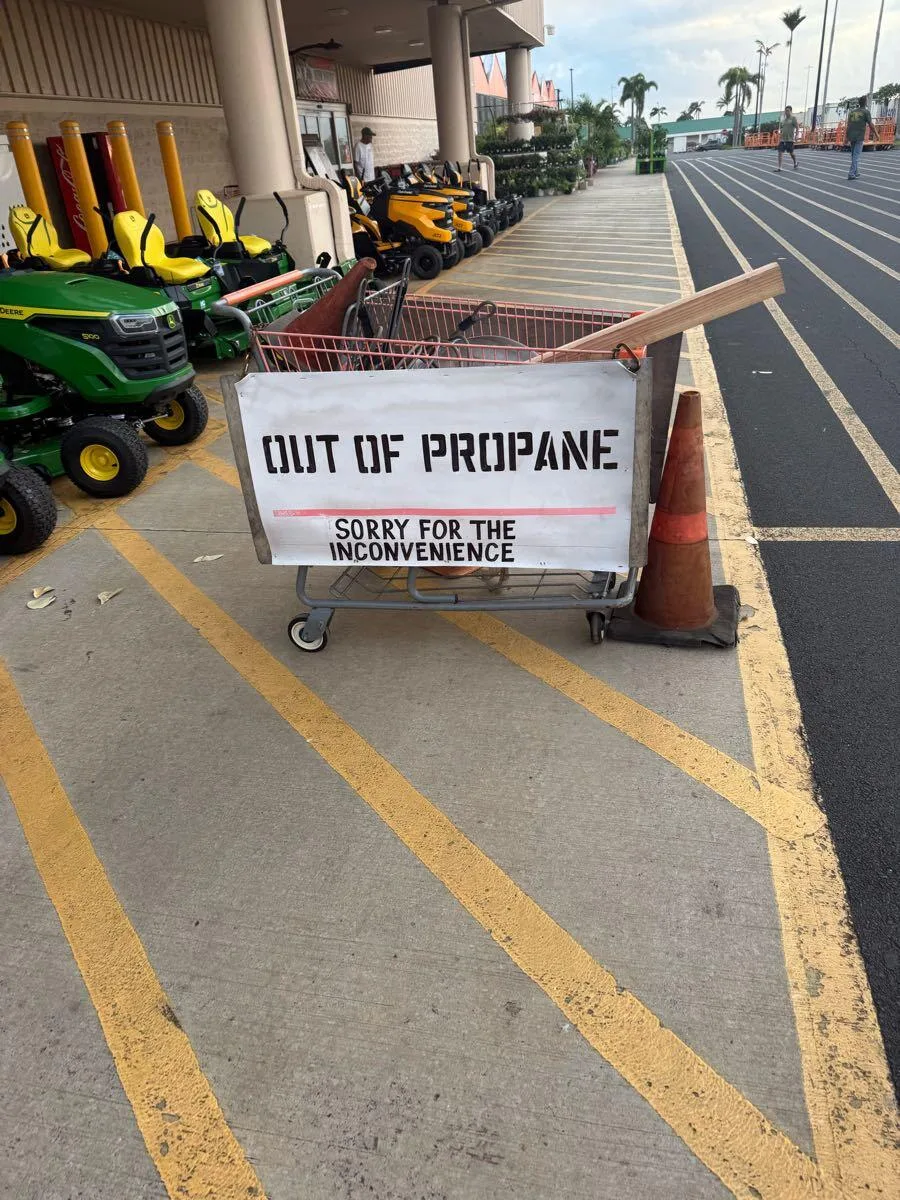
There are two phases of preparation before a storm, and they require different actions.
The first is weeks or months ahead, when a strong El Niño means an unusually active hurricane season. That is when you restock the things an island runs out of first: gas cans, propane tanks, batteries, plywood, straps, water containers, food. Five days before Lowell arrived, gas cans were sold out and propane tanks were getting scarce. By the time everyone agrees it is time to prepare, some of those options are already gone. You do not need a precise forecast to buy what you will wish you had if the track turns toward you.
The second is in the last days, when the house itself has to change. That is when the hard questions show up: when do you pull everything out of the yard into the garage, put up plywood or window mesh if you have them, fill every container and the bathtubs? For days the forecast had Lowell sliding west of us, and every morning the track had inched back east. Everyone on the island was preparing for something by then. The question was how deep to go: a couple of days without power, or weeks? I almost held off on filling the tub. Opening one-time supplies for a storm that might miss felt frivolous. On the morning of September 7, I decided this thing was coming for us and filled every container we had. I’m glad I did. We did pretty well on the early prep. Next time we need a clearer trigger for the later phase, past which we stop arguing with ourselves, prepare for the worst case, and put the house into storm mode.
Storm mode for us means filling every vehicle, gas can and propane tank. Charging every battery, including the power-tool batteries. Filling the water containers. Doing the laundry, running the dishwasher, cleaning the house and emptying the trash. Staging the generator, cords and transfer equipment before the weather arrives. Unplugging anything we don’t need so a surge when power returns doesn’t take it out. The housework sounds mundane and turned out to be some of the most useful preparation we did: clean sheets and clothes matter when the washing machine may not run for a week, and clean dishes mean you don’t spend stored water washing dirty ones.
Storm mode also means rearranging the house while everything still runs. We wish we had moved food into the fridge and freezer we planned to keep on the battery station, and pulled the things we would live with into easy reach. Doing that shuffle while fridges run on battery is not the best time.
Outside, I walked the property with one question in mind: if seventy-mile-per-hour winds start tonight, what will I wish I had dealt with yesterday? That meant securing outdoor furniture, decorations, loose pots, and the trash can. One thing I missed was the entrance gate to our property. It is automated and has battery backup, so I left it powered. It was badly damaged in the storm. My guess is that something triggered the exit sensor and the gate opened and got caught in the wind. Worse, the entrapment alarm started blaring because the motor thought it was stuck against something. The last thing you want is to go outside in the middle of a hurricane to silence an alarm. Next time we will cut power to the opener, put the gate in manual mode, and secure it loosely enough that we can still get out if we need to.
Staying put means repair, not retreat
Preparedness YouTubers spend a lot of time on bug-out bags. On Kauaʻi, the emergency shelters are a last resort for people with no other option, and they emptied quickly after the storm. We had already rethought the go-bag as a 24-to-48-hour relocation bag, a small pack with the basics for a night or two at a shelter or a friend’s house, with anything bulkier riding in the vehicle. The real challenge was continuing to live in our house while the infrastructure around it stopped working.
Staying home changes what matters. A tarp is more useful than a survival tent, and so are ladders, roofing nails, sealant, spare shingles and a plan for patching a broken window from the inside while the storm is still outside. Now that we have seen what a Category 2 does to the neighborhood, hurricane fabric for the windows is on the list too. One addition is almost embarrassingly simple: keep a tarp inside the house. A tarp in the shed is on the wrong side of the weather.
Screens turned out to matter too. The days after a hurricane are hot, and with no power there is no air conditioning or fans. If the screens are torn, you either keep the windows shut and cook, or open them and let the mosquitoes in. A screen-repair kit is now part of the house kit, so we are not out on the road hunting for mesh and adding to the traffic that recovery crews are trying to get through.
Buckets, ladders, wheelbarrows, rope and tools should not end up buried behind everything you moved indoors for the storm. And keep them available. We did not fill the wheelbarrow with debris unless we could dump it right away. We ended up needing it every day to carry pool water to a neighbor so they could flush their toilet.
Water is a system, not a pile of bottles
Water on Kauaʻi is electricity in another form. The county runs a patchwork of separate water systems, and almost every one of them depends on pumps to lift water from wells into tanks and from tanks up to the neighborhoods. When the grid went down, the tanks drained and the taps followed. By the morning after the storm, service was out or failing across most of the North Shore and in pockets elsewhere on the island, and the Department of Water was hauling water buffaloes to the neighborhood centers while it got generators onto the pump stations. The department moved quickly. Within three or four days nearly every system had water moving again, and the boil notices for the hardest-hit areas were lifted a day or two after that, once the lab samples came back clean. But “restored” had an asterisk. Every remote pump site was running on a generator, so an islandwide conservation notice stayed in effect until grid power reached each one. For the south and west sides that took about a week. For the North Shore it took more than two, and there were relapses along the way, including a contractor hitting a main during cleanup. The lesson for anyone on county water is that your tap depends on the power grid and a fleet of generators you will never see, and that drinking water in a truck at the neighborhood center is the backstop, not the plan.
Our actual drinking consumption was a little over two liters per person per day, about half the usual gallon recommendation. The rest goes fast: cooking, handwashing, dishes, cleaning and, above all, flushing. A single flush can use more water than one person drinks in a day, which is why flushing water has to come from somewhere other than your drinking supply.
What worked for us was layers: some filtered drinking water always in storage, several Scepter 20-liter water containers and other smaller containers we could fill right before the storm, a few portable 2.5-gallon ones we could carry to a refill point, and below the drinking layer a stack of 5-gallon buckets for fetching pool water or carrying it to another location. A hurricane gives you days of warning, so you don’t have to store and rotate hundreds of gallons year-round. Keep the containers, fill them when the forecast firms up. One issue we realized is that a huge container is excellent for storage but annoying when you just want to wash your hands, so a handwashing jug with a simple valve is now on the list.
The single highest-value item in that chain was a WaterBOB, a food-grade bladder that unrolls into the bathtub, holds roughly a hundred gallons, and comes with a small hand pump. You fill it from the tub spout in the last hours before the storm, while municipal water is still running, and you have a sealed reserve of clean water that does not pick up dust, bugs or soap residue the way an open tub does. It is cheap and takes almost no space. Next time we will probably deploy two.
A boil notice turns even tap water into something you have to manage, since boiling costs fuel and time, which is why some filtration belongs in the kit. But drinking water was never the thing we worried about. The water buffaloes were in town within a day, stores reopened not long after, and knowing we were not going to run out was a real weight off.
The harder water problem was on our own road. We are above the elevation the county system can serve directly, so a private booster pump station feeds about eighteen households, ours among them. Once county water started coming back ahead of power, a generator on that pump would get the whole road water days sooner. Two problems: finding a generator that could handle a three-horsepower, 230-volt motor, and finding a way to connect it.
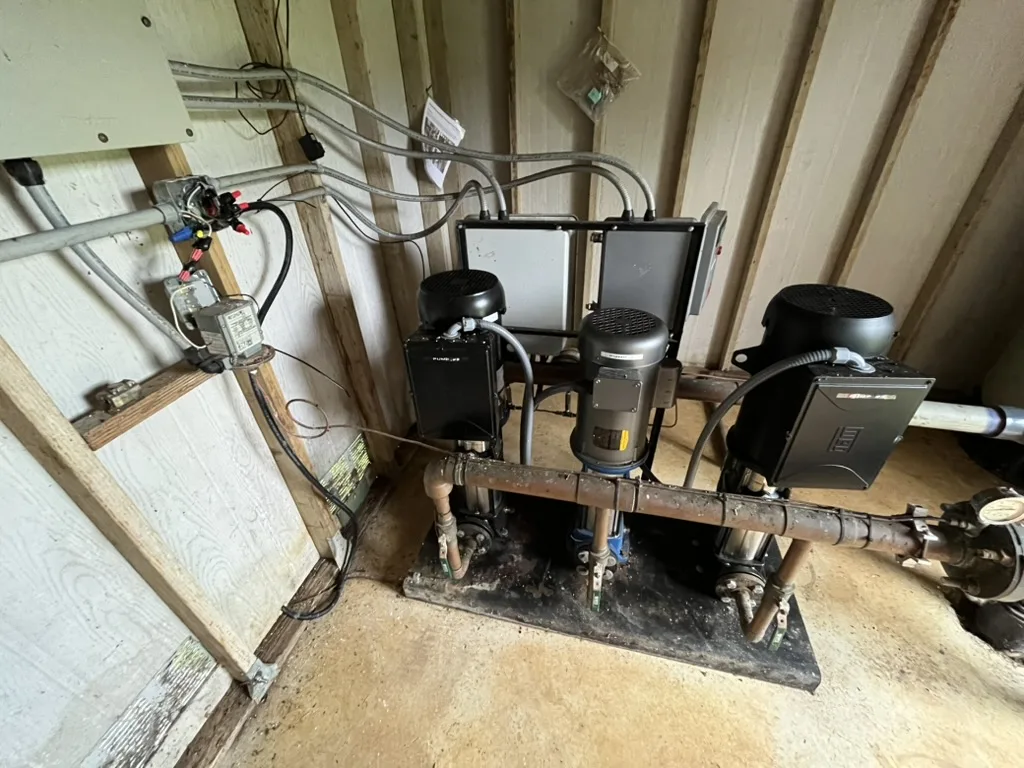
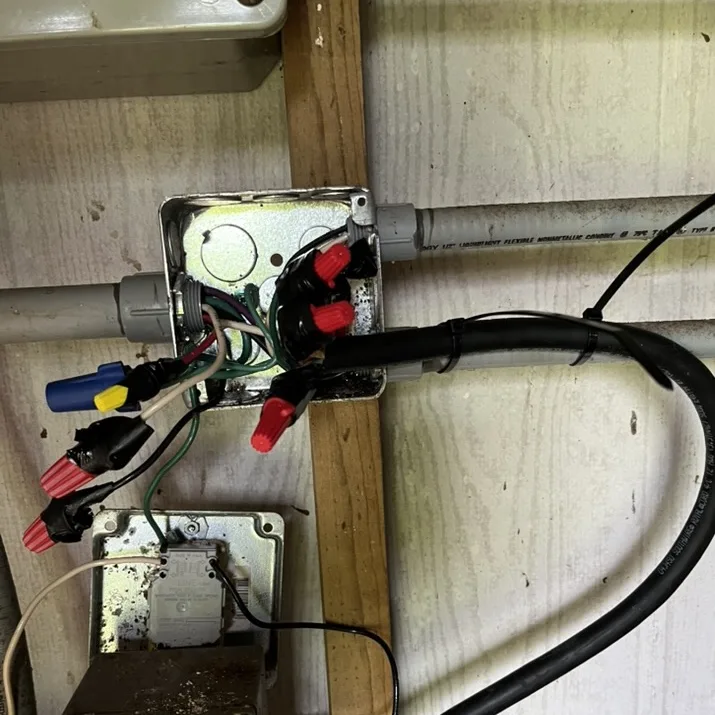
What followed was not a one-man job. A community leader helped us connect with someone across the island who could lend a generator big enough. Others helped deliver it, and it took several of us to lift it off the truck and into position. A friend had the right NEMA plug in his stash when Home Depot was sold out. The generator arrived with a dead starting battery, and a small lithium jump pack is the only reason it started. I traced the wiring to a junction box where we could isolate the pump from the utility and splice the generator in, and several people checked the work before anyone threw a switch. A generator connected to equipment that is also wired to the grid can backfeed and kill a line worker, so we opened the main breaker and disconnected the feed wire first. Better still, have a proper generator inlet installed before you need one.
The pump ran. The county inlet, unfortunately, sat around 10 psi against a normal 20-plus, and the booster had nothing to push. We shut down and waited for the county reservoir to refill. Two days later, the incoming pressure had crept up a few psi, the pump caught, and our line came back. The generator had no idle mode, so we ran it a couple of hours morning and afternoon, enough for everyone to draw what they needed. It was glorious, and even though it lasted only two days before KIUC power reached the shed, it was worth it. Those two days still mattered, and so did the fact that half a dozen people had made it possible.
The episode settled an argument we had been having with ourselves for years. We had talked ourselves out of a backup generator for the pump, on the theory that if power was out, the county would not be delivering water anyway. That was partly right and mostly wrong. The county did deliver water, just at low pressure, and we learned what size generator the pump actually needs (the nameplate math gives scary numbers; in practice we got away with less). A generator we can deploy for a few days is worth buying. Getting water back days sooner is worth more than the money sitting in the bank.
Food doesn’t need to be “survival food”
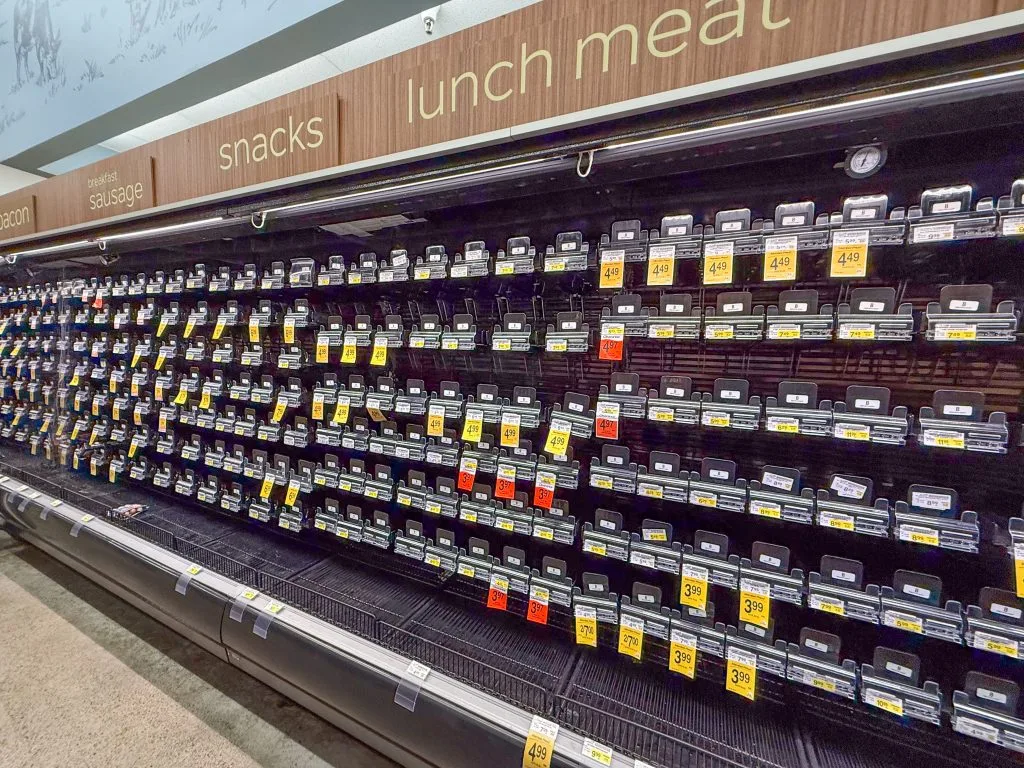
Emergency food distribution started within days, and stores reopened soon after, though they mostly carried dry goods because ice was hard to come by. We still stored food; Lowell helped us recognize what was worth storing. We never needed an exotic 25-year emergency food system. What we used were staples we already liked, so the reserves get eaten in ordinary weeks instead of sitting until they expire. Dishes you can make in one pot, with limited power and little cleanup, became the sweet spot.
A full freezer may not be as useful as you might think. A lot of frozen meals assume an oven or a microwave, and those were not options. What worked best was stove-top cooking: boiling water for pasta, a stir-fry, basically anything you can make on a camping burner or the propane range.
The plan also made room for comfort items, and the one that earned its place was Vietnamese pour-over coffee, a small pouch with a filter and ground coffee that you open over a cup. Twelve mornings of real coffee did more for the household than anything in the garage.
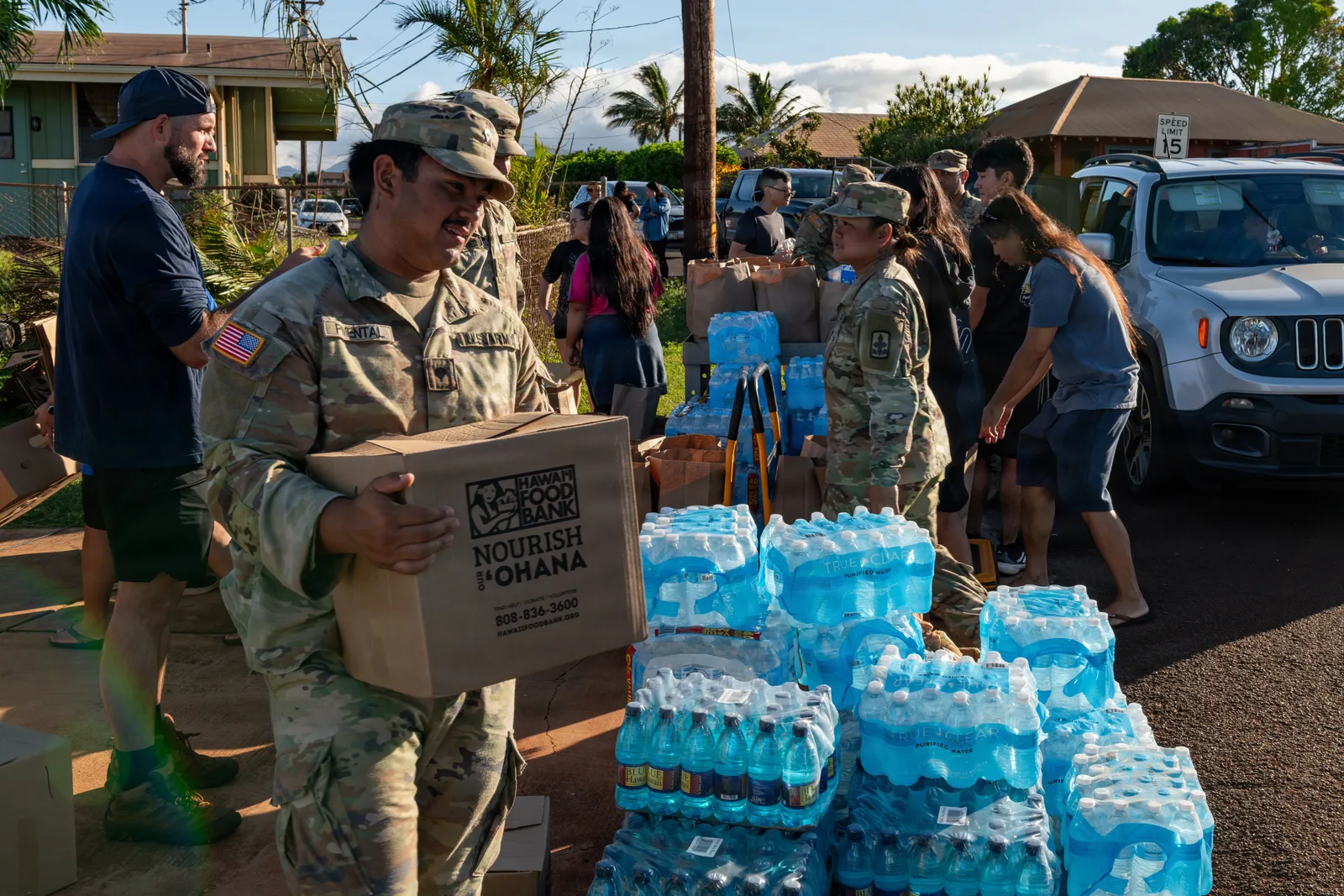
What I underestimated was cleanup. Every pot, pan, bowl and utensil you use is another draw on your water. Paper plates and especially paper bowls now have a permanent place in our hurricane supplies; they seem wasteful in normal life and make perfect sense during a water outage. The other tiny item that mattered was a lighter for the gas stove. We now keep several.
Backup power for weeks, not just days
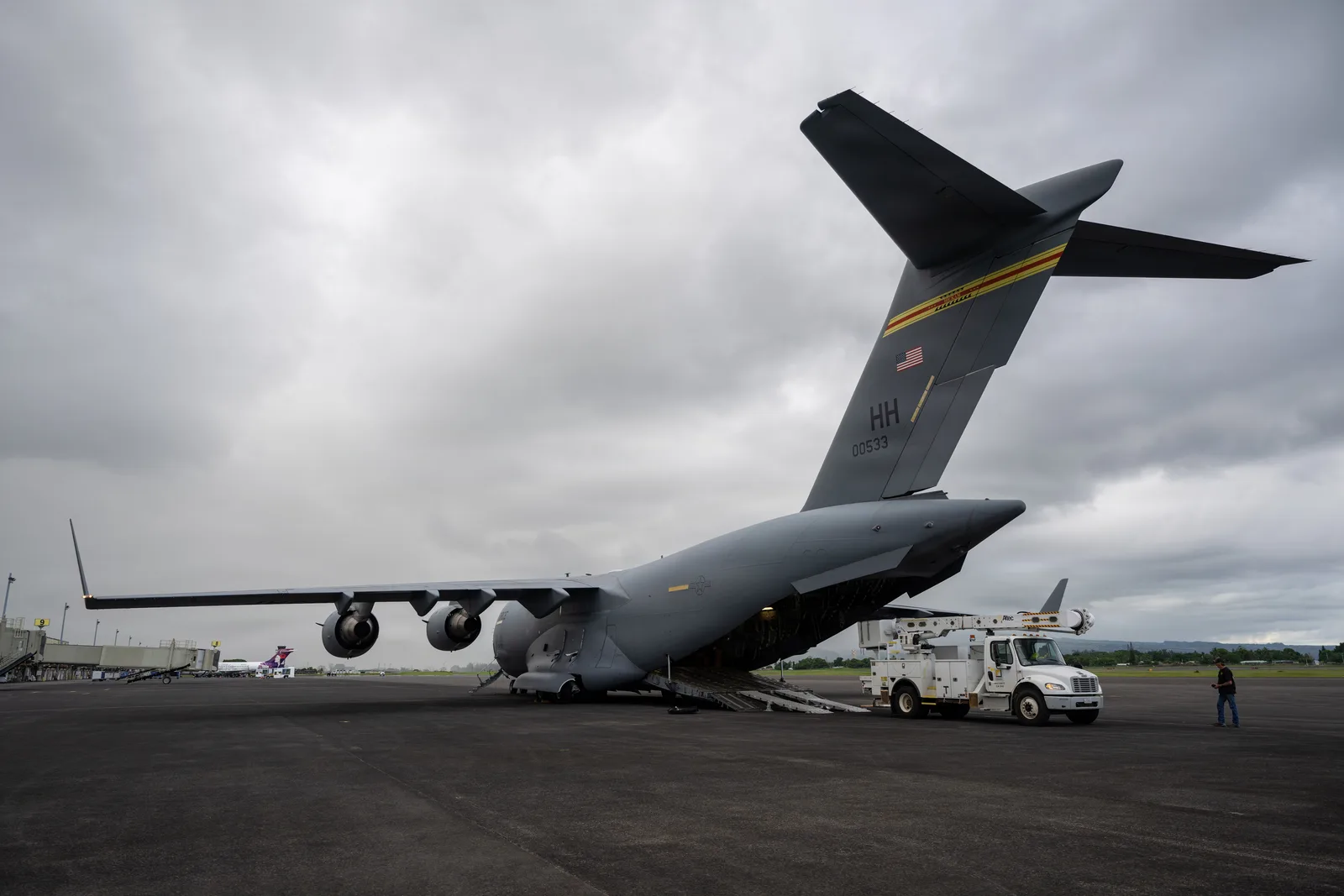
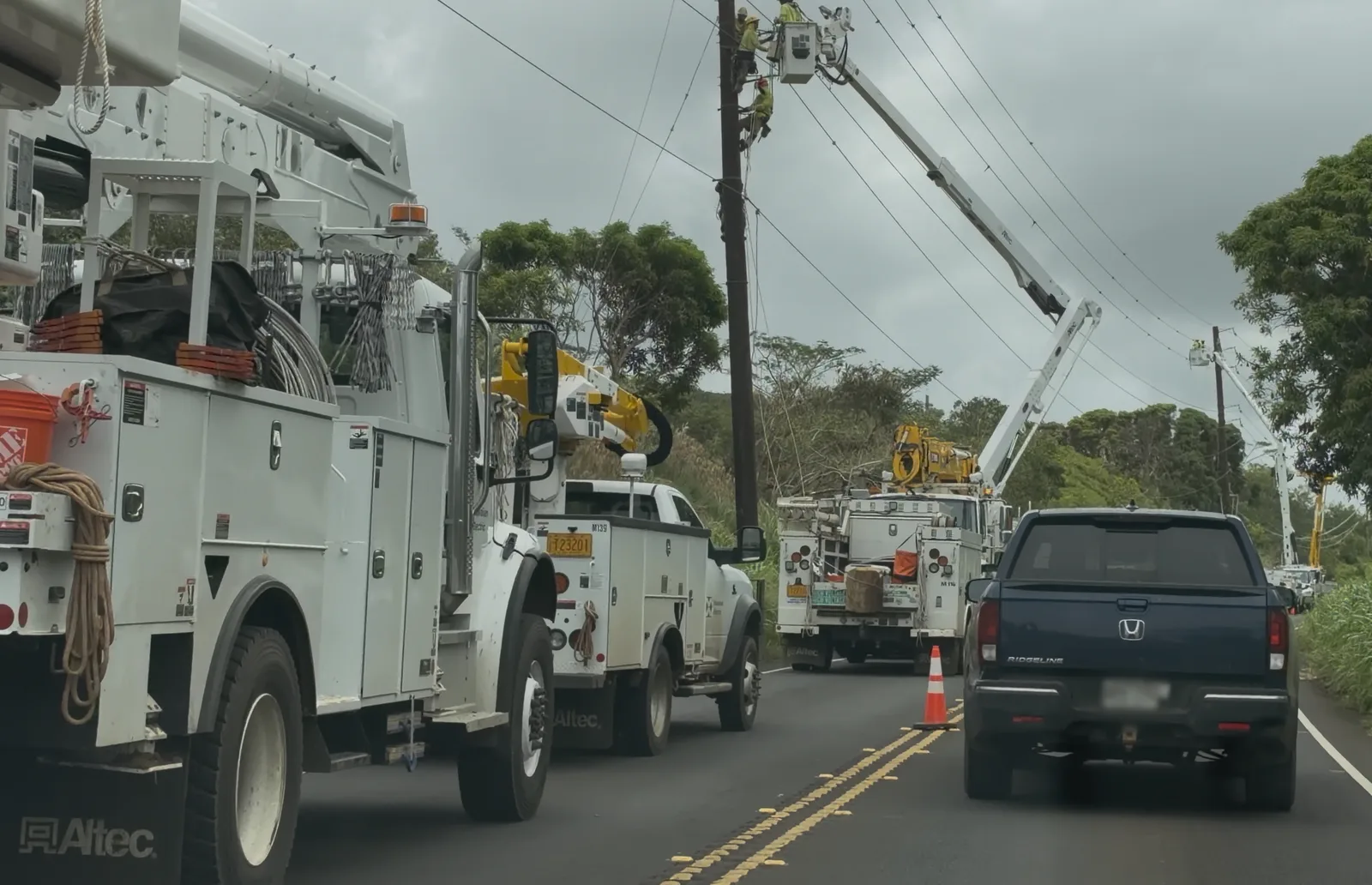
A household generator only makes sense against the backdrop of what it took to turn the lights back on. Peak outages hit about 33,000 KIUC members, about 91% of its customers. The utility had three of its sixteen transmission lines down, and the worst of it was the line that feeds the entire North Shore, roughly 5,000 accounts north of Moloaʻa, with damage along Powerline Road described as extensive. KIUC’s own crews and local contractors were joined by mutual-aid crews from Hawaiian Electric and Southern California Edison; the Air Force flew Edison’s linemen and six utility trucks in from Hilo on a Hickam-based C-17, trucks that had just finished working Hurricane Lala on the Big Island. By the second week there were about 250 line workers on the island. Princeville and part of Hanalei came back late on the night of September 15, Kīlauea town the evening of the 17th, and Wainiha and Hāʻena, at the end of the line, were still dark and waiting on helicopter work two weeks after landfall. For us that translated into twelve days without power. For some neighbors it was closer to three weeks. Nobody’s generator plan should assume only a few days.
Our power setup has two pieces that work together, and the pairing worked well for us. A solar panel and a battery power station handle the quiet, steady loads, mainly refrigeration. A gasoline generator does the heavy lifting and recharges the battery station when solar can’t keep up. In practice that means you only need to run the generator for a couple of hours during the day to top up the battery, then shut it off for the night.
That arrangement beats either piece on its own. The generator runs for a fraction of the hours, so it burns a fraction of the fuel, and fuel can be hard to come by in the first days. The carbon monoxide risk is limited to the hours it runs during the day, and nights stay quiet.
We got lucky with sunny days after the hurricane and seldom had to run the gas generator at all. Deploying and repositioning the solar panels to catch the most sun quickly became its own job, though. Comms, water and power management all turn into daily chores, and you need to be ready to give them attention and energy.
We also learned that a generator starting in the driveway does not prove your emergency power works; you have to test the whole chain under load, with the actual cords and appliances. A neighbor’s generator, less than a year old and run fine a few months earlier, refused to start when it counted. New generators also commonly need a break-in oil change around twenty hours, which is an inconvenient discovery mid-outage if you have no oil on the shelf. A neighbor did not have the right cable to connect his solar panel to his battery power station. Fortunately we had spares to lend.
Our most useful mistake involved the refrigerator. We were duty-cycling the fridge and freezers, especially overnight when they stay closed (a full freezer can stay safe for about 48 hours). One night we forgot to unplug the refrigerator from the battery station, and it drew the battery most of the way down. The equipment worked; our procedure failed. Next time we’ll consider a mechanical timer to automate the cycles.
Whole-house solar and batteries generally did well from what we heard, although some systems had software or connectivity problems. Any “smart” system needs scrutiny for what happens when the internet disappears.
We kept the main breaker open during the outage so a surge on restoration wouldn’t damage anything, which meant nothing in the house could tell us the grid was back. After days of generator management, we found out the power was on because a neighbor texted us.
Lanterns turned out to be better than flashlights for work surfaces. A tiny headlamp lived on my head most evenings. I looked like a dork, but I had both hands free for cooking and other chores. Since then I have written down the runtime of each light at each setting, so I know what brightness we can afford before running out. Rechargeable USB-C lights are convenient: easy to charge off the generator, and you don’t have to deal with leaking batteries, a fact of life on Kauaʻi.
One power load that is difficult to handle is a pool. Ours is saltwater, which means it relies on electricity to make its own chlorine, and with the pump off the water goes green fast. We kept liquid chlorine and shock on hand, brushed it daily, and tested it with a kit. It was worth the effort. We were in it every afternoon to cool off, and relied on it for washing off and flushing.
Sanitation sneaks up on you
Nobody writes preparedness articles about washing a frying pan, but once the water stops, that is what the days are made of: handwashing, grey water, deciding how much drinking water a dirty pot is worth, and where the trash goes when collection stops. Refuse collection only started coming back about a week after landfall, so plan to hold a couple of weeks of trash.
I had underestimated how physical the days after a storm are. You are outside in the sun for hours, dragging branches, running a chainsaw, hauling buckets, and by midday you are already filthy and soaked in sweat. A shower stops being a comfort and becomes a necessity, and a proper one costs gallons you can’t spare. The pool saved us. We left buckets and a watering can to warm up in the sun, soaped up and rinsed off next to it, then plunged in. After a day of cleanup it was the best part of the day. The downside is that the pool leaves chlorine and salt residue on your skin. A couple of buckets of fresh water set aside for a final rinse made the difference between feeling clean and developing an itch or a rash by the end of the week. Waterless bathing wipes were in the plan and we didn’t have them; they would have been handy on the days the pool wasn’t an option.
The other consequence of that daily labor is that work clothes get filthy fast. Extra shirts and pants dedicated to cleanup are now part of the kit, so we are not wearing the same grimy outfit for two weeks. Hand-washing a few things is manageable, and a folding clothes-drying rack earned its place.
Once it was obvious this was not a two-day outage, we should have stopped improvising and set up stations. When you come in and out with 5-gallon buckets of pool water for the toilets, a towel by the slider is a good addition to catch the drips so you don’t track water through the house. That kind of small setup is worth doing on purpose, because whatever you start with you will still be doing two weeks later. Muscle memory works against you: you reach for the light switch, you reach for the flush handle. I ended up putting notes on things I should no longer touch.
Communications failed in layers
Our communications plan had four layers: fiber internet first, cellular if that failed, Starlink behind that, and amateur radio as the last resort. Lowell showed us what happens when those layers start disappearing.
Our fiber was down for the entire outage, even though I heard of people not far away who still had service. Cellular data became heavily constrained, although it sometimes worked much better late at night, presumably when fewer people were competing for capacity. Voice and texting held up well throughout. All broadcast radio stations were off the air initially, which surprised me.
Starlink was the system that actually carried us. Powered off its own battery and solar panel station, it gave us a usable connection for news, email, the utility’s outage map, and letting people know we were fine. It is not free of dependencies: it needs power and a sky clear of obstructions, and we had to be deliberate about when we ran it. But it was the difference between being cut off and being merely inconvenienced.
Two-way radio did not play the heroic role it is usually given in preparedness writing. The night of the storm, an impromptu net formed on the local amateur repeaters, and listening to people check in from around the island while the wind did its worst was genuinely comforting. Then the power went out, antennas got damaged, and the repeaters went down and did not come back. Since cell voice and text kept working, we didn’t need the radios. The one time I keyed a radio was on GMRS, to reach a neighbor. Cell reception at our house is poor on a normal day, and it was easier to pick up a handheld than to walk the property hunting for a bar.
That one call is what stuck with me. If the nearest cell tower had gone down, which is not far-fetched when poles were snapping all over the island, we would have lost the ability to coordinate with the people next door, and that coordination turned out to be the most valuable thing we had. A pair of GMRS handhelds and a channel agreed on with a few neighbors fills that gap for very little money and a license that requires no exam. I had just started handing GMRS radios out in the neighborhood, so more of us will have that option next time. Radio was not the hero of this storm. It was cheap insurance against the one failure that would have hurt the most.
The most reliable information came from the official channels we had signed up for years earlier. The county sent email updates throughout, sometimes several a day, and they were accurate and specific: which roads were open, where the water trucks were, when the boil notice lifted. Email held up well because it is lightweight and doesn’t need a continuous connection; whenever a little data got through, the updates were waiting. KIUC ran daily automated voice calls with restoration progress, and since voice kept working when data didn’t, those calls got through every time. Sign up for the county and utility alerts before the season, not during the storm, and make sure you can keep your phone charged. For twelve days, that phone was the lifeline for accurate, timely information, and a dead one would have cut it.
Bad information is another hazard
During the recovery, Port Allen was closed to commercial and recreational traffic, and a rumor grew out of that fact: a fuel barge had supposedly sunk in the harbor. Nāwiliwili is the island’s main harbor; Port Allen is where liquid bulk, including fuel, comes ashore, so a closure there is a real fuel fact, which is why the barge rumor traveled. It is easy to see where that goes. Enough people believe it, they rush to fill every container they own, and they create the shortage they were afraid of.
Disasters are perfect conditions for rumors: incomplete information, outages, anxiety, and real uncertainty about what is happening on the rest of the island. The convincing ones grow out of something true. A forwarded message from someone who heard it from someone isn’t information, and when bandwidth is scarce, it eats bandwidth too. We ended up trusting three sources, the county, the utility and first-hand accounts from trusted neighbors, and ignoring most of the rest.
You will probably hurt yourself doing something stupid
During the recovery I bashed a finger, a falling branch landed on my forearm, and my son managed to hit himself in the forehead with a bungee cord. Nothing serious, but the pattern was obvious. After a storm you are suddenly a roofer, an arborist, an electrician, a mechanic and a debris crew, sometimes all before lunch, doing unfamiliar work while tired, in heat or rain, around things that are broken. The first-aid kit got more use after the hurricane than during it.
Chainsaws deserve a mention of their own. Before Lowell, I had debated whether chainsaw chaps and a helmet were worth it. They seemed superfluous for the occasional chainsaw work I do around the property. I learned that it does not take much to end up spending hours behind a saw clearing debris. Having that extra safety equipment at hand is comforting, so now they are part of the kit. We ended up clearing and hauling fourteen trailer loads of green waste off the property.
The other hazard in that cleanup is fire. After the storm the island dried out, the wind came back, and every afternoon with a chainsaw or a mower was a chance to throw a spark into stacked brush. Running a gasoline generator and handling fuel outdoors is another. Water was not back everywhere, so there was no hydrant to count on if something caught. We kept a fire extinguisher and a couple of buckets around.
The most valuable resource is your community
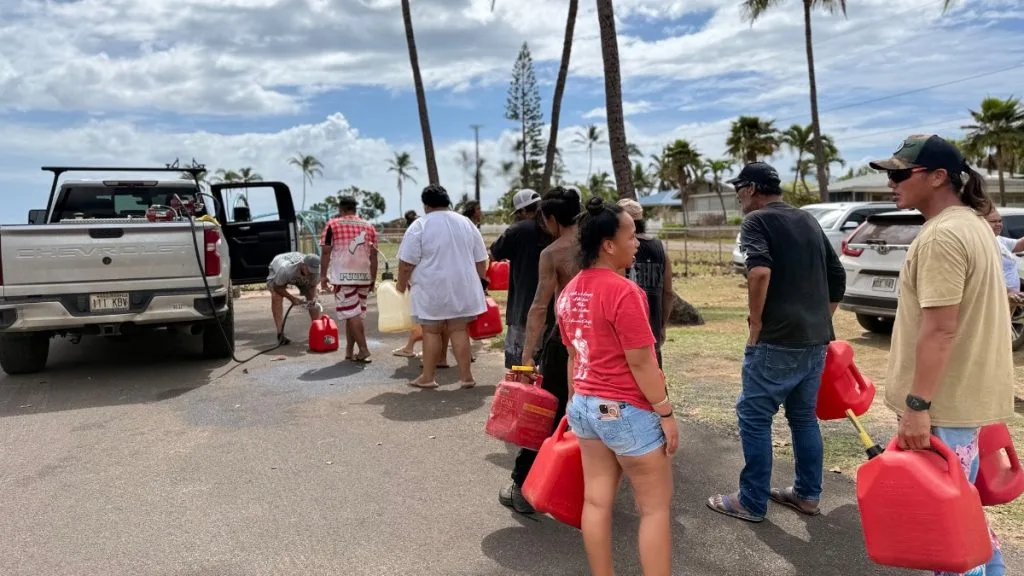
Somebody has a chainsaw. Somebody knows how to fix the thing you can’t. Neighbors with off-grid power charged batteries for people without electricity. Someone with a well had water when the county system didn’t, and pool owners covered the flushing. Information moved the same way: green-waste site hours, who still needed water, who needed a hand hauling branches, who might have a spare generator. Nobody kept score.
We tend to think of preparedness as accumulating enough equipment to need nobody. I think that’s backwards. Real resilience is your own capability plus knowing what the people around you can do. It’s worth spending the time getting to know your neighbors and building those relationships before you need help.
There are always opportunists. The scams were more likely to come from off-island than from next door, and a generator sitting outside for days can tempt someone, so a lock is cheap insurance. But what we mostly saw was people helping each other. Shared adversity creates a bond that is hard to come by in normal times. Aloha was alive and well.
Recovery is work
When the storm ends and you walk outside, the natural impulse is to start fixing everything at once. We learned to hold back. First we made sure of the things we needed to live: the house was safe, water and power were sorted, we could cook, we could reach people, and the weather was staying outside. Then we wrote a priority list. The damage right in front of you looks urgent, and most of it can wait a day. We tried to think a few days ahead, not using the last tarp on something cosmetic if more rain was coming, and not burning ourselves out on day one when cleanup was going to last weeks. Recovery moves at three speeds: days to make the house livable, weeks to months to get functional again, and months to years before things look the way they did before. Eventually we took a rest day, though it was hard to stay idle when so much needed to be done outside.
Recovery is also not a quiet window. While we were still hauling branches, another system tracked south of the islands and the island swung from dry, fire-prone days to flash-flood warnings and brown-water advisories. In the midst of a recovery you still need to replenish your supplies in case another storm arrives.
Something else became clear in those weeks. For a while after a storm, you live the way a farm or a homestead lives all the time. Things need to be powered, started, pumped, mended and moved, and nobody is coming to do it for you: the parts store is closed, and the person who normally fixes it is dealing with their own roof. We now make sure to have a basic repair kit: a battery charger, a jump pack, a tire plug kit and a 12-volt compressor, spare plugs, oil and fuel line, a handful of fittings. None of it is flashy, but it becomes essential when something breaks.
Our plan had treated recovery as its own phase, with its own tools, and that paid off. One of the trees that went down was an avocado. I was determined to save it. I drove three three-foot steel anchors, basically heavy tent stakes, into the ground as a deadman, ran a tow strap to a come-along, and wrapped a tree strap around the trunk so the bark wouldn’t be cut. Then I winched it upright and secured it with ropes. The rigging principle was not new: wide webbing around the trunk, proper anchors, rope sized for the load.
But the confidence to actually do it came from an unlikely place. I am not an off-roader and never thought I would need recovery gear. Still, I had spent some time watching Wrecker Rick’s vehicle recovery videos on YouTube: anchors, straps, snatch blocks, and how not to destroy the thing you’re trying to save. I never expected any of it to matter on our own property, and I’m glad it did.
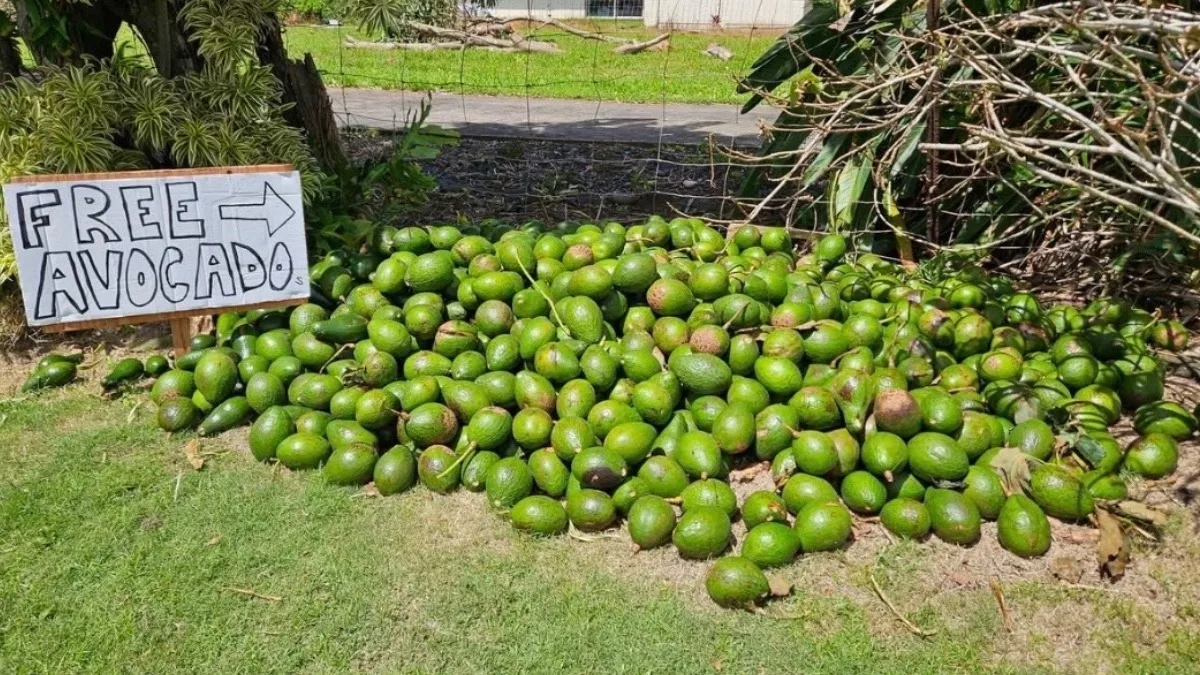
September is prime avocado season on Kauaʻi, with around two hundred varieties ripening at different times. When the wind hit, everyone lost their fruit at once, and for a few days you could not give avocados away fast enough. Boxes appeared at the roadside, wheelbarrows of them showed up along the highway and at shops, and everyone had more than they could eat.
Recovery is also expensive, and it hits from two directions at once. Every hour on a ladder, behind a chainsaw or in line for fuel is an hour not spent earning, and if your income depends on tourism, as it does for most households on Kauaʻi, it is worse and lasts longer: the visitors leave and the ones who were coming cancel. Meanwhile the money goes out: repairs, cleanup fees, an arborist for the tree you can’t handle, the deductible if you have insurance and the whole bill if you don’t. A financial cushion needs to be as much a part of being prepared as the generator.
Some of that cushion needs to be paper. When the power is out, so is every ATM and card reader, and while payment apps like Venmo are popular on the island, they can be hard to use over a cell network that can barely move data. Having a reasonable amount of cash in small bills on hand, enough for fuel, food, ice and a few days of paying people for help, is essential.
I also kept a daily log: when the power went, generator hours, fuel used, who I spoke to. The days blur together when you are tired, and having those details to look up turned out to be more useful than I expected.
Morale is a preparedness item too
At some point you have to accept that this isn’t normal life. Once we stopped expecting the house to run like a house and started treating it as camping at home, everything got easier: use water deliberately, check the internet when it’s there, eat whatever dinner works tonight.
We had two big tubs of ice cream in the freezer and knew we might lose them, so we ate ice cream every night. Another night we cooked a pizza that used about forty percent of one of our EcoFlow battery stations. From a strict energy-management perspective that was ridiculous, and it was worth it. Preparedness is not a contest to see who can tolerate the most misery. Spending a scarce resource on something that makes everyone feel a little more normal can be exactly the right use of it.
There was an unexpected upside too. Once the main risks were handled, living like Little House on the Prairie turned out to be a good thing for the family. It is remarkable what having to rely on each other, sharing the daily chores and losing the internet as a distraction can do. We spent most evenings around a dim lantern playing cards, talking and laughing. We went to bed early and took naps during the day. Because we only deployed Starlink on demand, and most of our hours were spent on manual labor around the property, it felt like going back to the days when the internet was somewhere you went for information, not something that was always thrust upon you. Not unlike camping, with the advantage of sleeping in your own bed.
Ten gaps we’re closing
The plan held up: the water layers, the battery station topped up by the generator, propane cooking, Starlink, lights, and above everything else the neighborhood connections. The gaps were procedural or at the small end of the scale.
- Written triggers. An early restock trigger, and a later one past which we go into full storm mode.
- House setup before the wind. A checklist of what changes: food into the fridge we can power, supplies within reach, gate disarmed.
- Keep weather outside. A tarp in the house, roofing and screen-repair supplies, hurricane fabric for the windows.
- Pre-season tree work. Trim and clear the property before hurricane season.
- More water containers. A second WaterBOB, more jugs and buckets, and filtration for boil-water days.
- Neighborhood pump power. A 240-volt inlet on the shed and a generator sized for it.
- Load schedule and timers. A written fridge and freezer duty cycle, with mechanical timers.
- Waterless sanitation. Paper bowls and plates, waterless bathing wipes, cleaning wipes.
- Spares and tie-down kit. Small-engine parts (plugs, fuel line, pull cord, oil); ratchet straps, ground anchors, rope; a knots reference.
- Neighborhood GMRS. More handhelds distributed and raise awareness.
Storm mode, at a glance
- Fuel: cars, cans, propane.
- Charge every battery, including the power-tool batteries.
- Fill water containers and the WaterBOBs.
- Laundry, dishes, trash.
- Stage the generator and cords.
- Consolidate food into the powered fridge.
- Secure the yard, disarm the gate.
- Unplug what we don’t need.
Nobody predicts exactly what a storm will break. What you can build is enough layers, skills and relationships that when something unexpected fails, you still have options. Lowell showed us which of ours worked and where we had gaps we can now fill.